
The Importance of High-Durability Wall Reinforcement in Social Service Facilities
The Importance of High-Durability Wall Reinforcement in Social Service Facilities
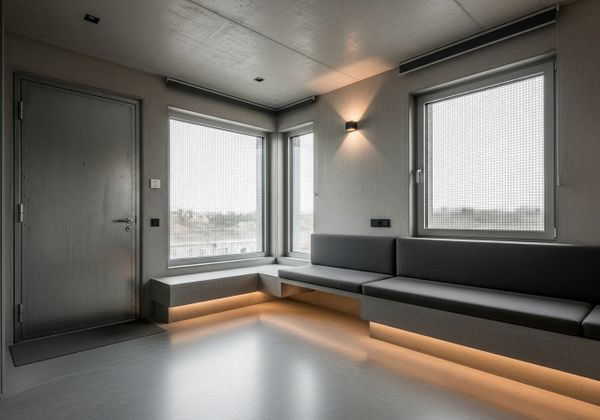
When designing and constructing spaces for the social services and developmental support industry, standard residential building practices often fall short of the rigorous demands of high-traffic residential care facilities. The transition from a simple living space to a specialized group home environment requires a focus on longevity, safety, and "life-proof" engineering. One of the most critical, yet often overlooked, phases in this process is the installation of high-grade wall reinforcement before the final aesthetic layers are applied. By integrating plywood sheet backing behind standard drywall, providers can ensure their facilities remain functional and safe, significantly reducing long-term facility maintenance costs and emergency repair needs.
Impact Resistance and Vandal-Resistant Construction Standards
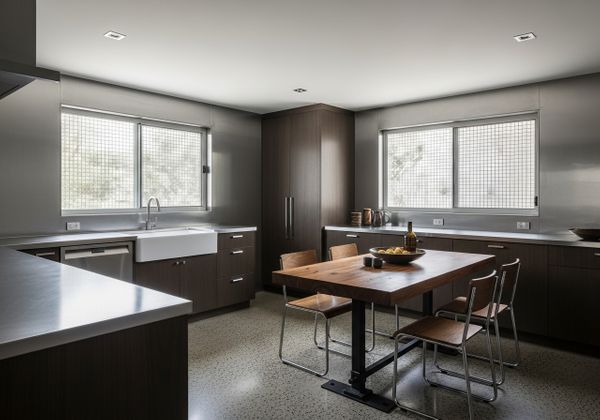
In professional supportive living environments and community housing, walls are subjected to far more wear and tear than a typical family home. From the movement of heavy medical equipment and wheelchairs to the high-energy interactions common in specialized autism services and developmental disability housing, standard drywall is prone to frequent damage. Implementing vandal-resistant construction techniques, such as plywood wall lining, provides a secondary "impact-proof" barrier. This structural backing ensures that even if the outer layer of drywall is compromised, the integrity of the room remains intact. This hard-wall system is a staple in institutional grade construction, offering peace of mind to facility managers who prioritize occupant safety and damage prevention in high-utility residential settings.
Strategic Utility: Beyond Durability to Functional Support
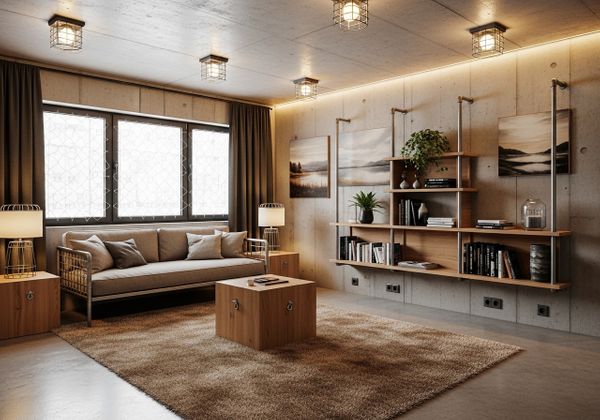
Beyond simple protection, reinforced wall systems offer immense functional advantages for social service agencies and non-profit housing providers. In a specialized build, the ability to securely mount heavy-duty items—such as grab bars, wall-mounted televisions, sensory equipment, or safety railings—at any point on the wall is invaluable. Without plywood reinforcement, installers are limited to the location of vertical studs, which may not align with the specific accessibility needs of a resident. By creating a "solid-wall" substrate during the basement renovation or facility retrofit phase, organizations gain total flexibility in their layout, allowing for quick adaptations as the needs of their clients evolve over time.
Conclusion: Investing in Long-Term Facility Resilience
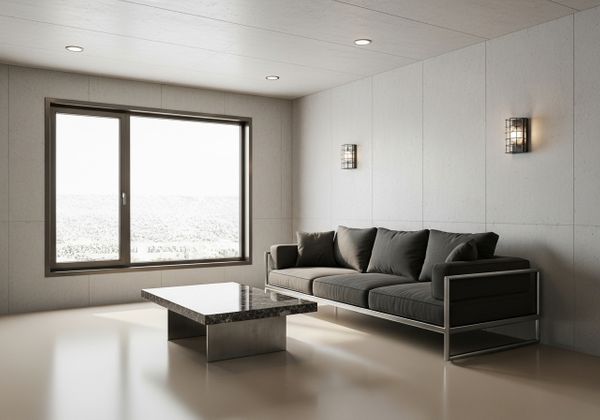
Choosing to invest in specialized basement construction and reinforced walling is a strategic decision for any organization within the community support and residential care sector. While the initial phase involving high-efficiency insulation and structural plywood sheets may seem like an added step, it is the foundation of a sustainable facility management plan. By prioritizing impact-resistant surfaces and durable building materials today, companies ensure that their supportive housing units remain welcoming, safe, and operational for years to come. This proactive approach to specialized builds ultimately allows service providers to focus less on building repairs and more on delivering exceptional care to the individuals they serve.