
Construction Delays: What Homeowners Should Know

Understanding Why Construction Delays Happen
Construction delays are one of the most common concerns homeowners have when starting a renovation or construction project. Whether it’s a basement renovation, home addition, or full interior construction, delays can affect timelines, budgets, and overall expectations. While some delays are unavoidable in construction due to inspections, material availability, or weather conditions, many issues can be prevented with proper planning, experienced project management, and clear communication between the contractor, trades, and homeowner.
Permits, Inspections, and Approval Timelines
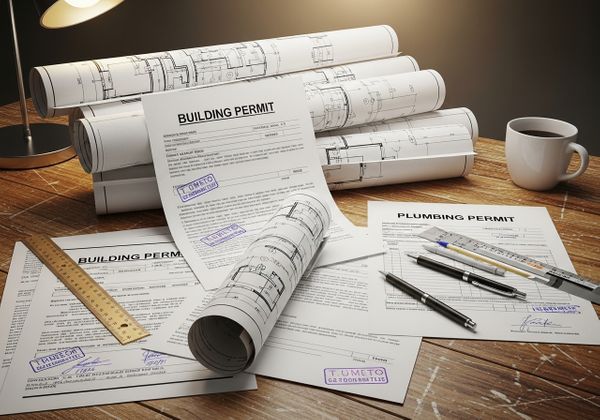
One major cause of construction delays is permit approvals and municipal inspections. Construction projects often require multiple permits and scheduled inspections for framing, HVAC, plumbing, and electrical rough-ins. Delays can occur when permit applications require revisions, inspection schedules are backed up, or work does not pass on the first visit. Professional construction companies understand local building codes, submit accurate drawings, and coordinate inspections efficiently to keep the construction schedule on track.
Material Availability and Trade Coordination
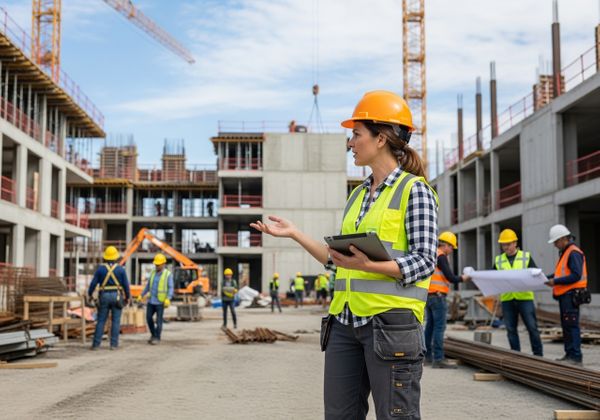
Another common source of construction delays is material availability and trade coordination. Construction projects rely on the timely delivery of materials such as lumber, drywall, insulation, windows, HVAC equipment, and electrical components. If materials are delayed or trades are not properly sequenced, construction timelines can quickly fall behind. Strong construction planning ensures materials are ordered in advance and trades are scheduled in the correct order to maintain steady progress throughout the project.

How Proper Planning Helps Prevent Construction Delays
While construction delays can happen, they don’t have to disrupt an entire project. A well-managed construction company reduces delays through realistic scheduling, proactive communication, early material ordering, and experienced trade coordination. By choosing a contractor who understands every stage of the construction process, homeowners can avoid unnecessary downtime, control costs, and achieve a smooth and timely construction completion.